Platelet-Rich Plasma (PRP) Hair Restoration in Overland Park & Kansas City
A Natural, Non-Surgical Treatment for Hair Thinning & Hair Loss
Platelet-Rich Plasma (PRP) hair restoration is a non-surgical treatment that uses the body’s own healing components to stimulate hair follicles, improve scalp health, and support natural hair regrowth. PRP has been widely used in medicine for decades and is one of the most established regenerative treatments for hair loss.
At Cosmetic Eye Institute & RSVP Med Spa, PRP hair restoration is performed under physician supervision and tailored to each patient’s pattern and cause of hair loss.
What Is Platelet-Rich Plasma (PRP)?
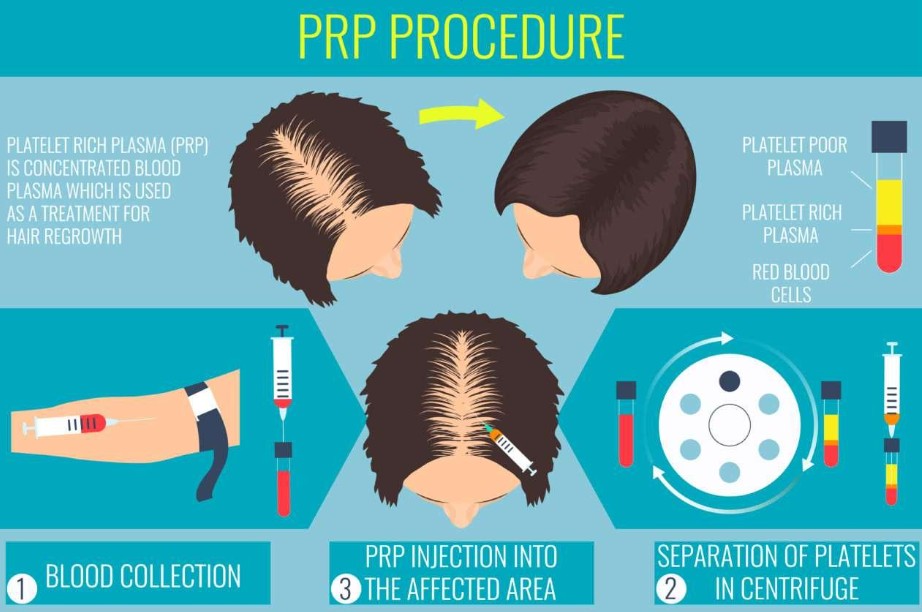
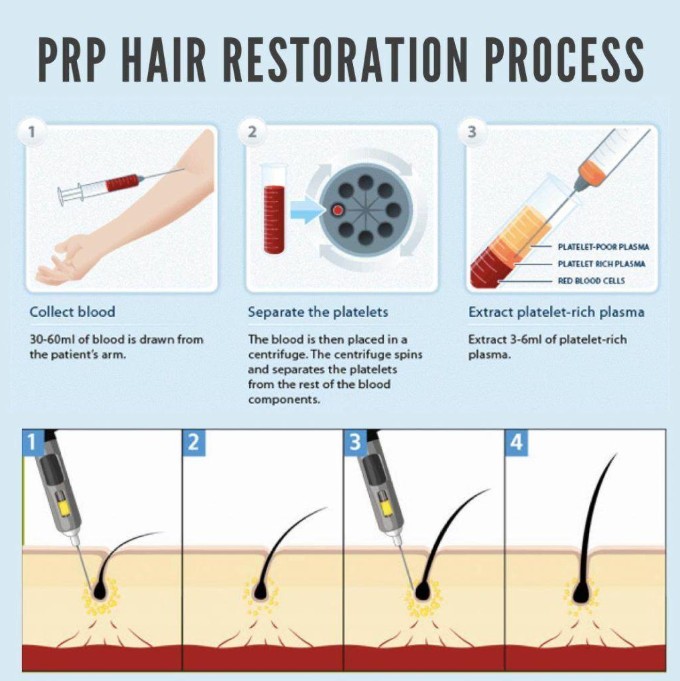
Platelet-Rich Plasma (PRP) is derived from your own blood. After a small blood draw, the sample is processed in a centrifuge to concentrate platelets, which are rich in growth factors and bioactive proteins.
When PRP is injected into areas of hair thinning, it helps:
- Stimulate dormant or weakened hair follicles
- Improve blood supply to the scalp
- Prolong the hair growth (anagen) phase
- Reduce inflammation associated with hair shedding
Because PRP comes from your own body, it is considered a natural treatment option.
Who Is a Good Candidate for PRP Hair Restoration?
PRP may be appropriate for:
- Early to moderate hair thinning
- Female pattern hair loss
- Male pattern hair loss (early stages)
- Postpartum or stress-related hair shedding
- Patients seeking a drug-free, non-surgical option
PRP is not ideal for advanced baldness where follicles are no longer active.
How PRP Hair Restoration Works
- Blood draw performed in-office
- Centrifugation to isolate platelet-rich plasma
- Targeted scalp injections in areas of thinning
- Minimal downtime — return to normal activity the same day
PRP is commonly performed as a series of treatments for best results.
PRP Hair Restoration vs Other Treatments
PRP vs Exosome Hair Restoration
- PRP relies on the patient’s own platelet quality
- Exosomes provide standardized cell-signaling molecules
- Younger patients often respond very well to PRP
PRP vs Hair Transplant
- PRP preserves and strengthens existing hair
- Hair transplant redistributes follicles surgically
- PRP is often used before or after transplant for support
PRP vs Medications (Minoxidil / Finasteride)
- PRP does not alter hormones
- PRP can be safely combined with medications
What Results Can You Expect?
Most patients experience:
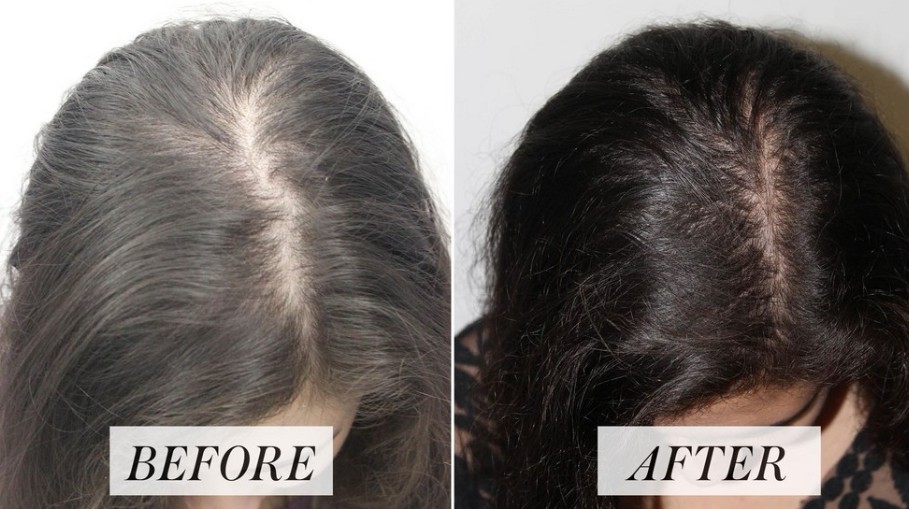
- Decreased hair shedding within 1–2 months
- Improved hair thickness and texture by 3–4 months
- Continued improvement with maintenance treatments
Results vary depending on age, genetics, and cause of hair loss.
How Many PRP Treatments Are Needed?
A typical protocol includes:
- Initial series: 6 treatments spaced 4-6 weeks apart
- Maintenance: 1 treatment every 3-6 months
Your treatment plan is customized after a consultation.
Is PRP Hair Restoration Safe?
Yes. PRP uses your own blood, minimizing the risk of allergic reaction or rejection. Mild side effects may include temporary scalp tenderness, swelling, or redness.
Frequently Asked Questions
What does PRP stand for?
PRP stands for Platelet-Rich Plasma.
How does PRP help with hair loss?
PRP delivers growth factors that stimulate hair follicles and support the natural hair growth cycle.
Is PRP hair restoration painful?
Most patients tolerate it well. Topical cooling is used to improve comfort.
How long does the treatment take?
The entire visit typically takes 45–60 minutes.
When will I see results from PRP?
Reduced shedding may be seen within weeks; visible regrowth typically occurs by 3–6 months.
How many PRP sessions will I need?
Most patients need a series of 6 treatments, followed by maintenance.
Is PRP better for men or women?
PRP is effective for both men and women, especially in early hair thinning.
Can PRP stop hair loss completely?
PRP can slow hair loss and improve density, but it does not cure genetic hair loss.
Is there downtime after PRP?
Minimal. Most patients return to normal activities the same day.
Can PRP be combined with other treatments?
Yes. PRP is often combined with exosomes, microneedling, or hair loss medications.
Is PRP FDA approved for hair loss?
PRP is used off-label for hair restoration but is widely accepted in regenerative medicine.
Are there risks with PRP hair restoration?
Side effects are usually mild and temporary, such as tenderness or swelling.
Who should not get PRP?
Patients with certain blood disorders, autoimmune disorders, or active scalp infections may not be candidates.
How long do PRP results last?
Results typically last 6–12 months with maintenance treatments.
Is PRP hair restoration worth it?
For patients seeking a natural, non-surgical option to slow hair loss and improve hair quality, PRP can be very effective.
Ready for a Consultation?
If you’re considering blepharoplasty for functional or cosmetic reasons, schedule a consultation at RSVP Med Spa today. We’ll discuss your concerns, explain the procedure, and create a personalized plan to help you achieve your goals.
 Gallery
 913-933-0068
 Contact Us
 Reviews